I’ve been needing a new mental challenge recently, so I decided to participate in a variation of the 75 Hard challenge.
75 Hard forces people to push past their normal limits holding fast to a set of stringent rules that build mental resilience, emotional awareness, and physical fitness. I believe in the purpose of this challenge wholeheartedly I just don’t agree with it entirely. 75 Hard was built on the old school premises of how grit is developed and reinforced and what it means to be a tough person. I’m not saying it won’t do either of those things, and I’m not saying this won’t whip you into shape quickly if that’s your goal. It’s just not sustainable, generally realistic, or even necessary; perhaps that is why it is only a 75-day challenge.
The idea that grit, resilience, and awareness are built and honed from doing hard things is true, but the old school way of going about this isn’t necessarily the best practice. Pushing past exhaustion, physically and mentally, used to be hallmarks of grit and top performers. Puking during practices. Holding back tears while being screamed at by a coach or mentor. Hiding injuries. Turning off your brain instead of being in-tune with what is happening under the guise of becoming tougher and better.
The point of 75 Hard is to challenge people’s mental toughness and build fitness. Okay, fair. Let’s take a look at how that’s done.
75 Hard:
- Follow a diet of your choice. This can be keto, Mediterranean, whole 30, vegan, vegetarian, gluten free, etc.
- No cheat meals. No alcohol.
- Workout twice a day for 45 minutes. One workout must be outside.
- Drink a gallon (128 oz) of water daily.
- Read 10 pages of a non-fiction or self-development book a day.
- Progress photos daily.
- Restarting the day count if any requirement is not met.
75 Hard does not allow for flexibility and requires full focus on reaching the goal of completing the challenge. Most of us aren’t Navy Seals, high-performing athletes, or executives heading Fortune 500 companies. They require a different level of mental focus and toughness that the average person would probably fear. They have different goals than the everyday person. Everyone can benefit from the training and self-development they do but understanding the premise of what they are now doing and why they are doing it could be more important than the physicality and stringent mental challenge of pushing yourself through challenges like 75 Hard.
I have read many books and articles and listened to many podcasts by experts to be a better athlete and performer. I once had dreams of breaking ultra-marathon records – time, distance, and prestige related. Now, those are more like fantasies, but I still have hope. When I began training for those, I was used to pushing past my limits and ignoring my body. It was trying to tell me how to be a better athlete, and I ignored it thinking I knew better. This is what I fear with the traditional 75 Hard challenge.
So, I am translating this into my own 75-day challenge but not calling it 75 Soft. I do not like the verbiage of “75 Soft.” That wording has negative connotations and plays into the old school demoralization tactics of building toughness.
Alex’s 75 Over-Medium on a Slice of Well-Seasoned Avocado Toast:
- No eating out unless it’s a social outing (I forgot that I’m good at cooking???).
- No alcohol (but I will drink a diet coke occasionally).
- Moving twice a day for 45 minutes each. Usually, one is outside.
- Drink 96-128 oz of water a day (roughly equating to 3 or 4 of my hydroflask water bottles)
- Reading. That’s it. Anything. Could be an article of your choosing (maybe not a gossip column) or study material (shout out to fellow professional exam studiers!) or a few pages of a classic novel.
- Photos optional. I am taking them, but they are a little silly and will stop if I feel myself falling into an obsessive hole.
I didn’t figure balance and giving myself choices would help me succeed, but it did. I stopped setting myself up for failure. I trained by feel – pushing through hard workouts but not into injury and over-exertion. I and coaches gave me small choices during daily life, training, and races; this gave me the sense of control in situations that were largely out of my control. Understanding and listening to one’s body and self are HUGE for success; this is because knowing yourself breeds confidence and belief in self even when the circumstances are out of your control. When you believe that you are capable and have honestly put in the work, you are the only thing in the way of success.
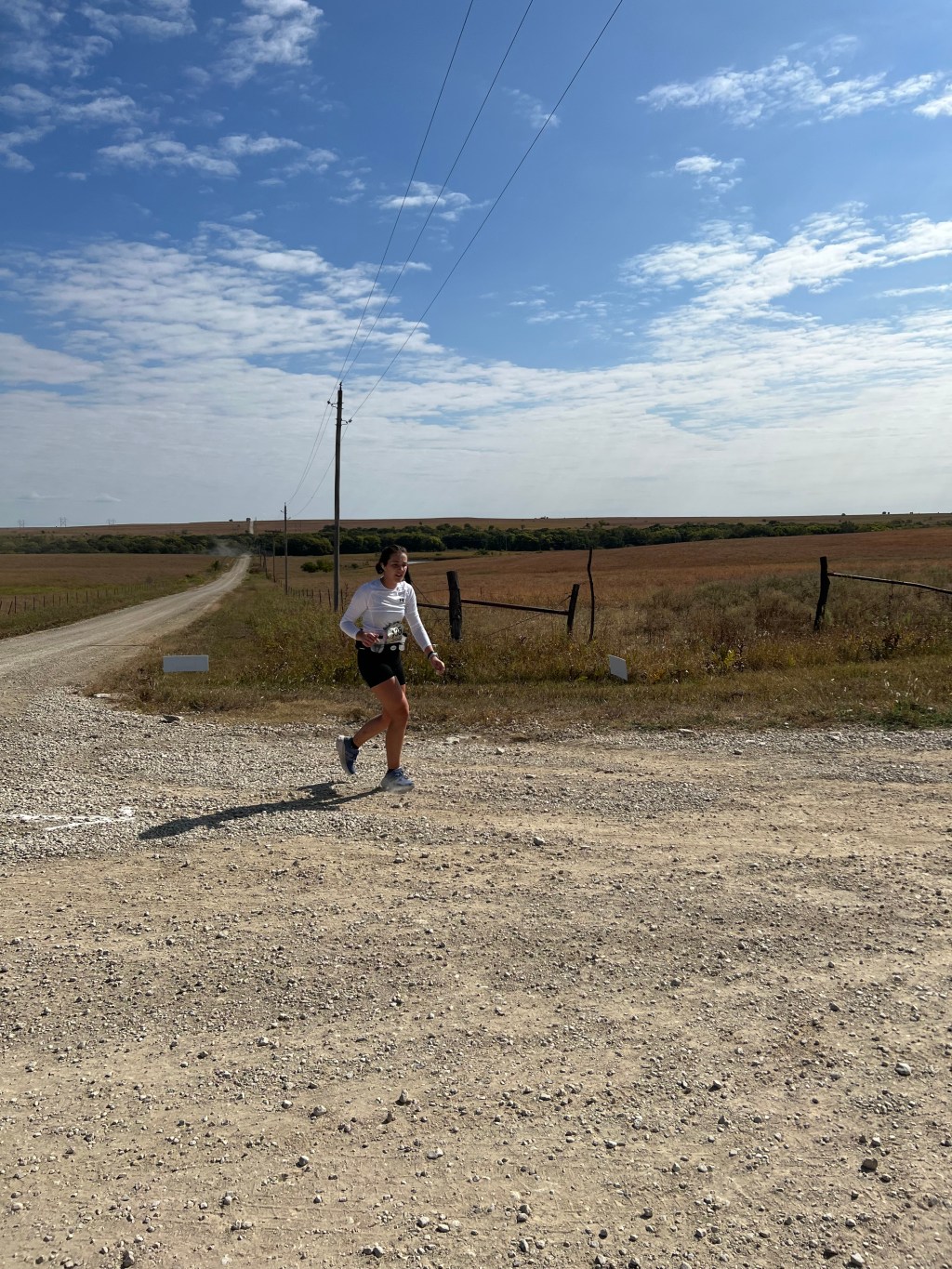
This way of training and developing toughness has allowed me to push beyond my physical and mental thresholds in moments it has been necessary – races and stressful life situations but, also, just helping to make the most of everyday life. Maybe I’m just crazy and VERY stubborn, but without balance and understanding the mindsets I have adopted, I would not have been able to finish my first ultra-marathon battling extreme dehydration and the beginning of kidney failure. So, I am taking the next 68 days to re-focus on the mental skills I have developed over many years.
I have done hard things, but I wouldn’t have been able to do this without believing that I am capable and without knowing that things can go wrong. Flexibility is the key to success. The adjustments I have made to the 75 Hard challenge allow flexibility yet still provide a mental and physical challenge. I am not setting myself up for failure or disappointment. I am creating an environment for improvement. Please feel free to do the same!
*** I would highly recommend Steve Magness’ book Do Hard Things: Why We Get Resilience Wrong and the Surprising Science of Real Toughness. I could suggest endless podcasts or books on the matter though.
 The Chronicles of Alex
Leave a comment